
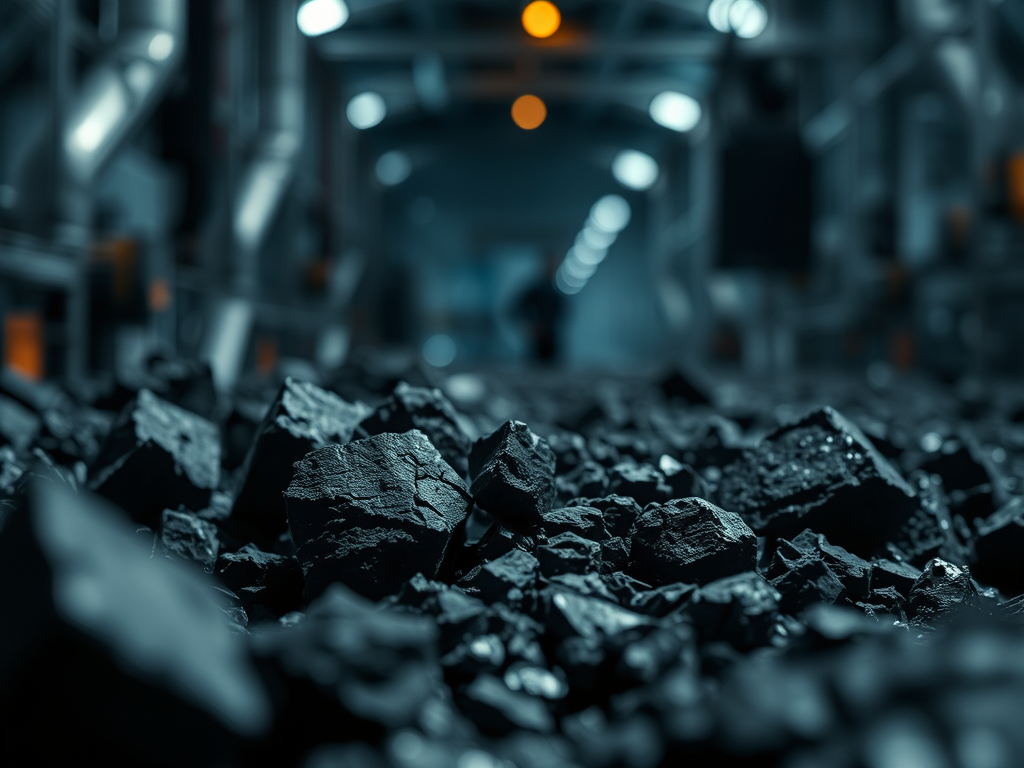
China has tightened its graphite export rules to the U.S., adding to ongoing trade tensions between the two countries. The move follows U.S. trade restrictions on 140 Chinese companies, which the U.S. government described as threats to national security. China’s response also includes limits on other critical minerals like gallium and antimony, essential for high-tech industries.
The restrictions highlight the U.S. reliance on China for graphite, a key material for batteries and industrial applications. Domestic alternatives in the U.S. are limited. Graphite One, a Canadian company developing a mine in Alaska, aims to address this dependency but is still years away from full production. Although the project is supported by U.S. defense funding, it underscores how unprepared local producers are to meet immediate demand.
The broader trade conflict could disrupt global mineral markets. President-elect Donald Trump’s proposed tariffs on Chinese and Canadian imports might further complicate the situation, potentially raising costs for U.S. industries reliant on imported materials.
For Europe, the U.S. shift to secure alternative suppliers may tighten global graphite supplies. European producers could gain opportunities to export to the U.S., but buyers might face higher competition and increased prices. Long-term supply planning is crucial to navigating these potential shifts.
Leave a Reply