
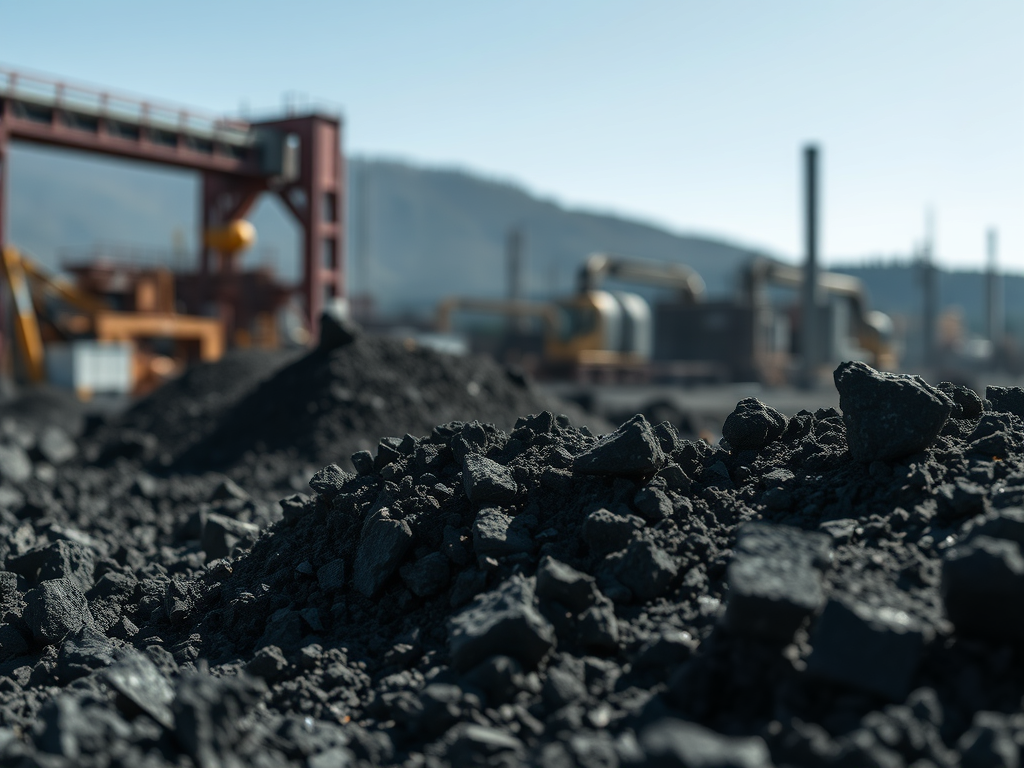
Putailai announced plans to cancel its $1.5 billion integrated lithium-ion anode material production site project in Sweden.
Anode material, primarily composed of graphite, is a critical component in lithium-ion batteries and is extensively used in electric vehicles and renewable energy storage systems.
This decision follows a notification from Sweden’s Inspectorate of Strategic Products, which stated that the investment could not be approved because the company could not fully agree to conditions set under Sweden’s Foreign Direct Investment Act.
Putailai is a Chinese-owned company publicly listed on the Shanghai Stock Exchange. Since construction had not begun, Putailai reported that the termination will not affect its revenues or profits.
The project was originally intended to supply anode materials to Northvolt, a key player in European battery production. However, Northvolt recently faced significant challenges, including filing for Chapter 11 bankruptcy protection in the United States to restructure its debt and secure new investments. Notably, it has not been reported that Putailai’s cancellation plan is directly related to Northvolt’s situation.
The cancellation of Putailai’s investment adds pressure on Europe to secure local graphite sources. Europe remains heavily reliant on imported graphite, with nearly all supply sourced from outside the region. As the European push for electric vehicles, green steel, and green aluminum production, graphite remains a critical component in batteries and other processes. While EV sales have slowed recently, global graphite demand is projected to outpace supply as early as 2026. Without new domestic production, industries critical to the green transition may face supply chain vulnerabilities. This underscores Europe’s urgent need to develop sustainable local graphite projects to reduce dependency on imports and ensure long-term industrial resilience.
Leave a Reply