
The graphite recycling market is set to grow, reaching $127.3 million globally by 2033, with an annual growth rate of 9.1%, according to Allied Market Research. The increasing demand for graphite in electric vehicles (EVs) and energy storage is driving this trend. Notably, the European Union’s Battery Regulation (2023/1542) now requires a certain percentage of recycled materials in battery production, making recycled graphite more important than ever.
This regulation is designed to reduce dependence on raw materials and promote sustainability. As a result, graphite recycling in Europe is expected to expand, supporting the transition to a circular economy.
As EVs and energy storage systems grow, so does the demand for graphite. Recycling provides a way to meet this need without relying entirely on mining. New recycling technologies, such as hydrometallurgical and pyrometallurgical processes, are improving recovery efficiency. However, high initial costs and complex recycling methods remain challenges.
Most recycled graphite comes from lithium-ion batteries, which accounted for a third of the market in 2023. Recycling methods include high-temperature processing, chemical extraction, and mechanical separation.
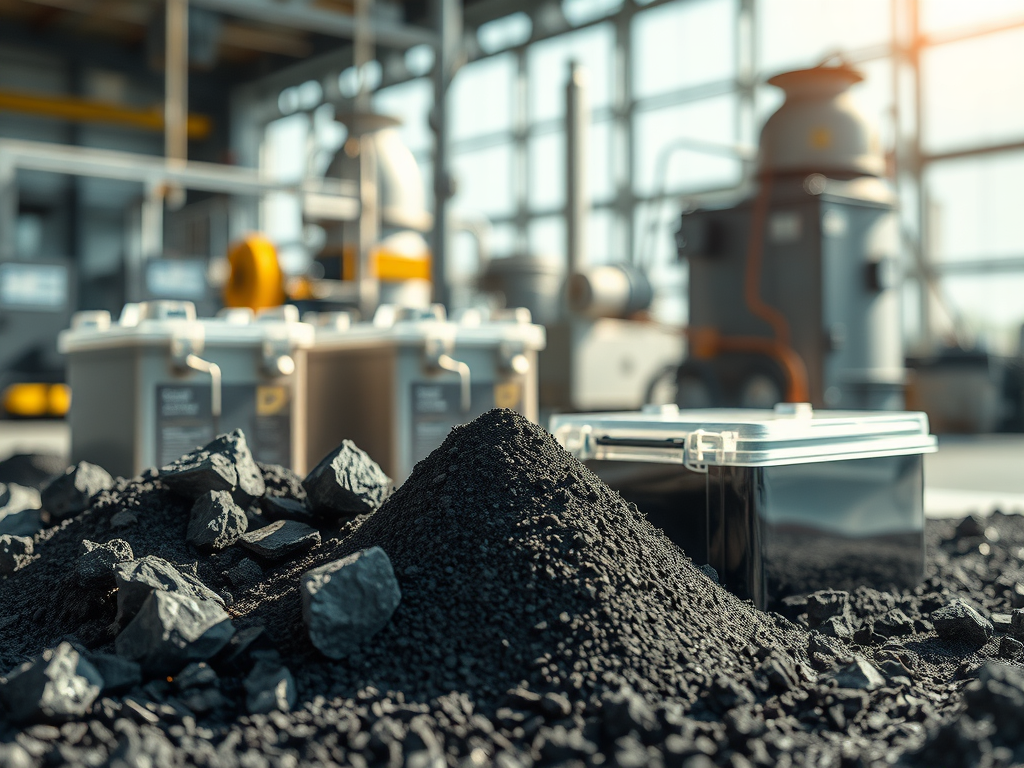
Recycled graphite comes in two forms: solid chunks and powder. Solid chunks, which generated the most revenue in 2023, are reused in new battery anodes. Powdered graphite is used in lubricants, nuclear reactors, and other industries.
Europe is expected to lead in graphite recycling due to stricter regulations and sustainability efforts. More recycling facilities are being built to meet demand, and automakers, battery manufacturers, and recyclers are forming partnerships to improve efficiency. Advances in processing technology should help lower costs and make recycling more scalable.
For European graphite producers, the push for recycling means adapting to stricter regulations and integrating new recovery technologies. Those who invest early in advanced recycling processes can secure a competitive edge, ensuring compliance while reducing dependence on virgin graphite. Meanwhile, buyers stand to benefit from a more resilient and localized supply chain, lowering exposure to volatile global markets. As demand for sustainable materials accelerates, companies that embrace recycling now will be better positioned to meet future industry requirements and maintain long-term profitability.
Leave a Reply