
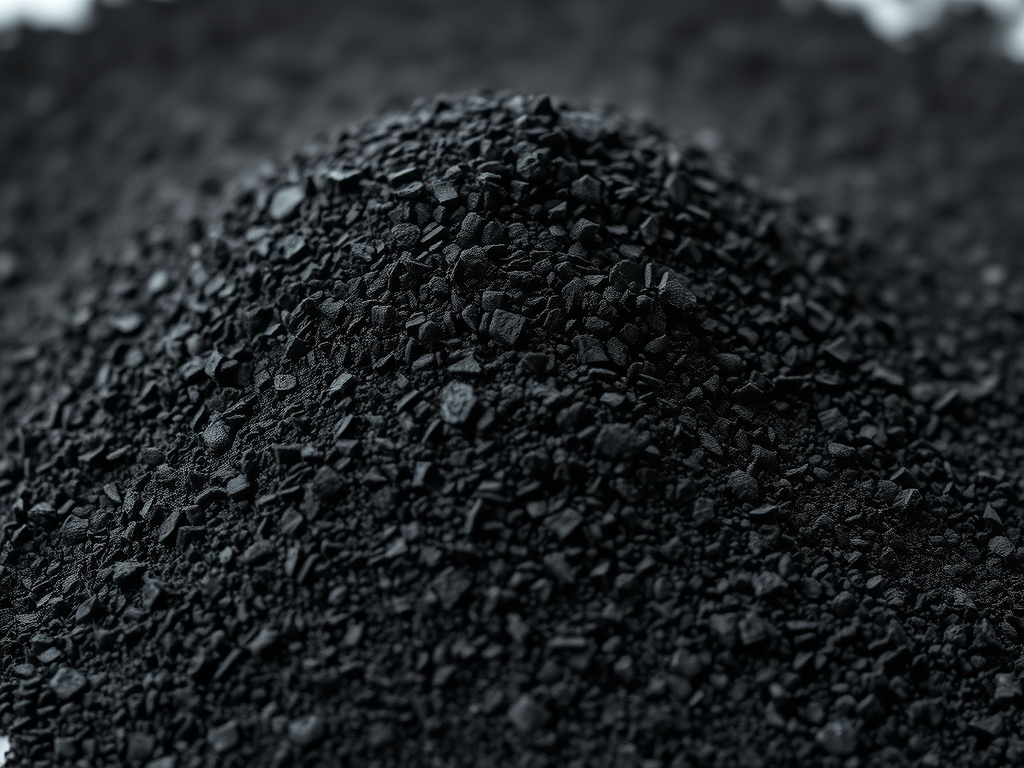
Tallinn-based UP Catalyst has secured an €18 million venture loan from the European Investment Bank (EIB) to expand its production of graphite and carbon nanotubes. The company uses molten salt electrolysis to convert industrial CO2 into carbon materials used in batteries, defence gear, coatings, polymers, and concrete.
The new funding will accelerate UP Catalyst’s scale-up plans and support its target of producing 1,350 tonnes of battery-grade graphite and 270 tonnes of carbon nanotubes annually by 2027, using approximately 6,000 tonnes of CO2 each year. Production will take place in Estonia, where the company opened a new testing lab and production site in 2024.
UP Catalyst’s technology captures CO2 emissions from heavy industry and transforms them into different carbon materials. According to the company, their products match the quality of fossil-based equivalents and are already being tested in large-format battery cells.
Founded in 2019, the company developed a method called Molten Salt Carbon Capture and Electrochemical Transformation, which processes flue gases from heavy emitters using renewable energy sources like wind, solar, or hydro. According to the company, this results in lower emissions and energy consumption compared to traditional carbon production.
The EIB loan is part of the InvestEU initiative and supports EU priorities around secure raw material supply and clean industrial innovation. In March 2025, UP Catalyst was named a strategic partner under the Critical Raw Materials Act. By 2030, the company aims to convert 250,000 tonnes of CO2 into carbon materials, with plans to scale production up to 60,000 tonnes of graphite per year. According to life cycle assessments, its graphite and nanotubes have one of the lowest carbon footprints in the industry.
Other efforts are also advancing CO₂-to-graphite technologies. Bergen Carbon Solutions in Norway, for instance, uses a molten salt-based method to produce graphite, hard carbon, and carbon nanotubes. In the U.S., Seattle-area startup Homeostasis is developing a technology that captures atmospheric CO₂ using aqueous mineralization and converts it into high-purity crystalline graphite.
These developments reflect a promising shift toward sustainable carbon sourcing and circular approaches to industrial material production.
Leave a Reply